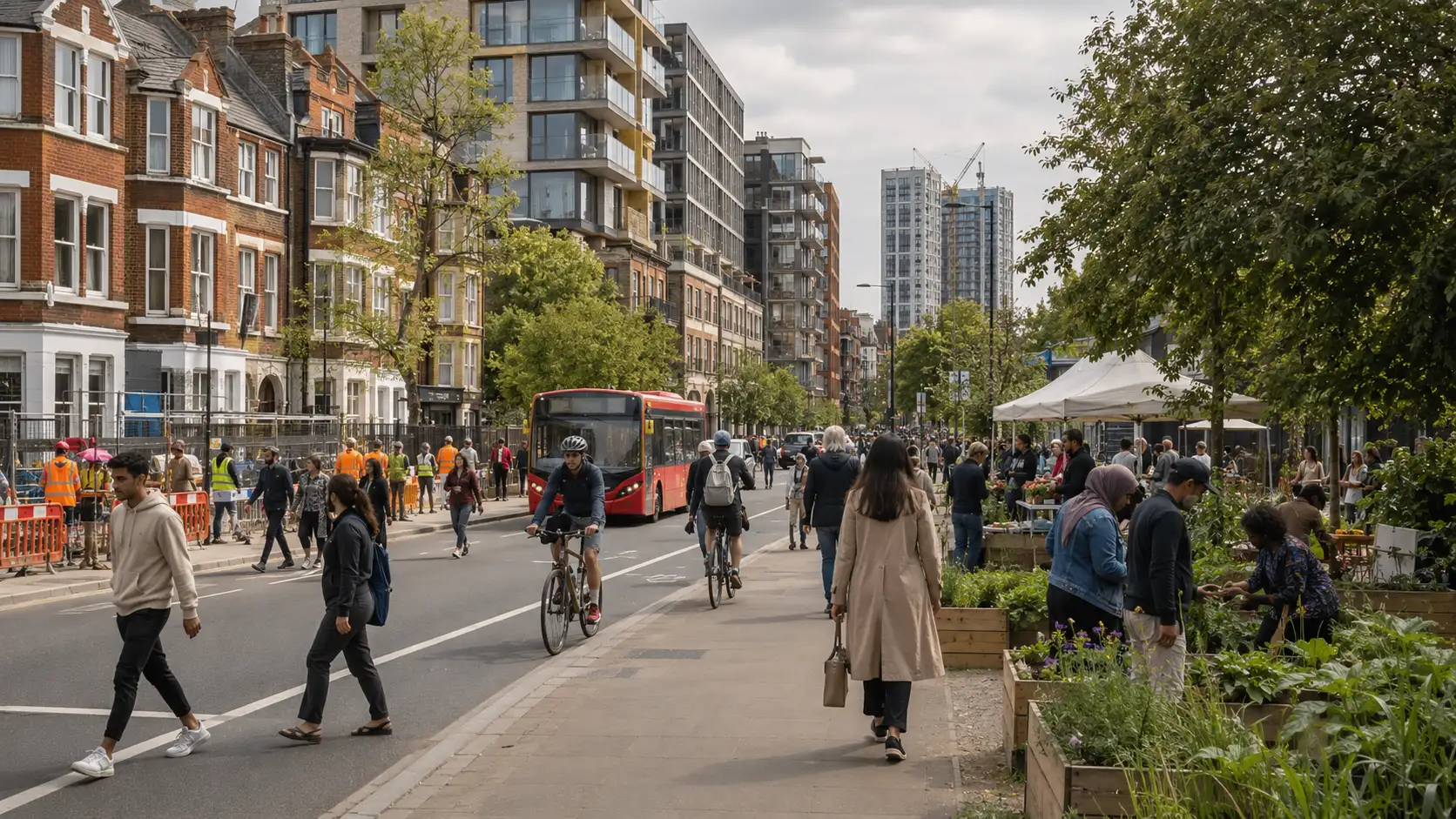
London is one of the world’s most dynamic cities, bringing together diverse cultures, thriving businesses, historic neighbourhoods, and millions of residents. However, alongside its many opportunities, communities across the capital continue to face significant local challenges that affect everyday life.
Rising living costs, housing shortages, public safety concerns, healthcare access, transport pressures, and environmental issues all shape the experiences of people living in different boroughs.
While every London community has unique priorities, many concerns are shared across the city. Understanding these issues helps residents, businesses, policymakers, and community organisations work together to create stronger and more resilient neighbourhoods.
The Biggest Challenges Facing London Communities
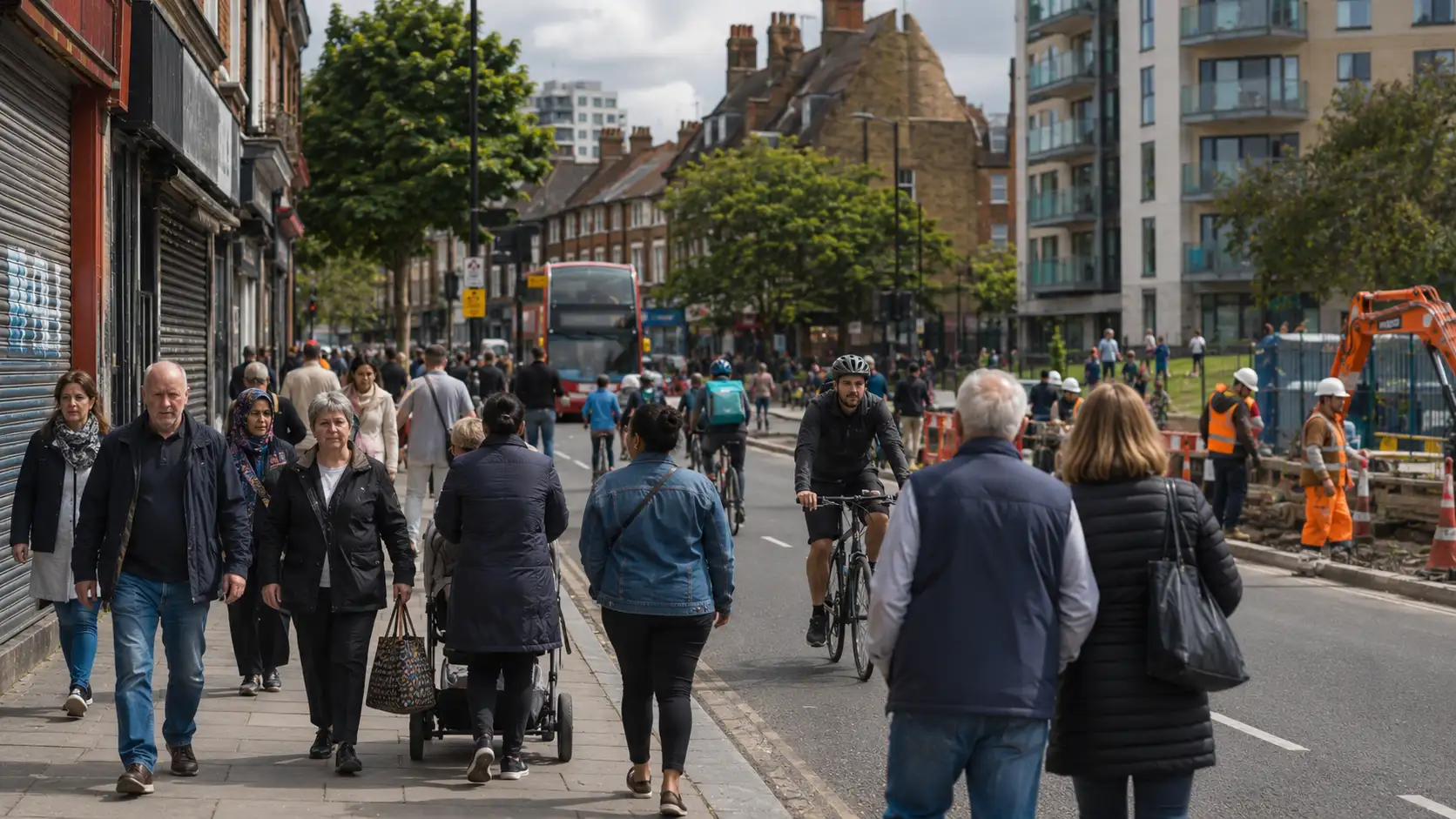
The table below highlights some of the most significant issues affecting local communities across London today.
| Local Issue | Impact on Communities |
|---|---|
| Cost of living | Higher household expenses and financial pressure |
| Housing affordability | Difficulty buying or renting suitable homes |
| Crime and anti-social behaviour | Reduced public confidence and neighbourhood safety |
| NHS and GP access | Longer waiting times for healthcare |
| Homelessness | Increased demand for support services |
| Public transport pressures | Crowding, delays and commuting challenges |
| Environmental concerns | Air quality, green spaces and climate resilience |
| Community inequality | Unequal opportunities between boroughs |
Cost of Living Continues to Affect Households
For many Londoners, the cost of living remains the biggest challenge. Housing costs, utility bills, transport expenses, childcare, and everyday shopping have placed considerable pressure on household budgets.
Research commissioned by London Councils found that the cost of living continues to rank as the number one concern for London residents, ahead of housing affordability and crime. Many households have adjusted their spending habits while others have delayed major purchases or moved to more affordable areas.
Families, students, pensioners, and young professionals are all feeling the effects, although private renters often experience the greatest financial pressure due to rising rental costs.
Housing Affordability Remains a Long-Term Challenge
Rising Property Prices
Buying a home in London remains difficult for many first-time buyers. Property prices continue to exceed earnings in many boroughs, making home ownership challenging without substantial savings.
Increasing Rental Costs
Private rents have also risen significantly, leaving many tenants spending a large proportion of their monthly income on accommodation.
According to recent surveys, around four in five Londoners believe there are not enough affordable homes available across the capital. Housing affordability consistently ranks among the city’s biggest concerns.
Crime and Community Safety
Feeling safe within local communities is essential for residents’ wellbeing. Although many areas remain safe places to live, concerns about crime continue across several boroughs.
Residents commonly raise concerns regarding:
- Anti-social behaviour
- Shoplifting
- Vehicle crime
- Knife crime
- Youth violence
- Neighbourhood policing
Community policing initiatives, youth engagement programmes, neighbourhood watch schemes, and investment in local services all play important roles in improving public confidence.
Healthcare Pressures
London benefits from world-class hospitals and healthcare professionals, yet increasing demand continues to place pressure on NHS services.
Many residents report challenges such as:
- Difficulty obtaining GP appointments
- Longer waiting lists
- Pressure on emergency departments
- Growing mental health service demand
Healthcare access has become an increasingly important issue as London’s population continues to grow.
Homelessness and Temporary Accommodation

Homelessness remains one of London’s most visible social challenges.
Local councils continue supporting individuals and families experiencing homelessness, but increasing housing costs have made prevention more difficult.
Many boroughs have experienced growing demand for:
- Emergency accommodation
- Temporary housing
- Supported living services
- Homelessness prevention advice
The issue extends beyond rough sleeping and includes families living in temporary accommodation while waiting for permanent housing solutions.
Public Transport Pressures
London’s transport network remains one of the world’s largest, yet population growth places continual pressure on services.
Crowded Services
Peak-time commuting can result in overcrowded trains, buses and Underground services.
Infrastructure Upgrades
Maintaining and improving infrastructure while minimising disruption remains an ongoing challenge for Transport for London and local authorities.
Investment in transport also influences housing development, employment opportunities, and economic growth throughout the capital.
Environmental Challenges
Environmental sustainability has become increasingly important for London communities.
Key concerns include:
Air Quality
Reducing pollution remains a priority, particularly near major roads and busy commercial districts.
Green Spaces
Residents value parks and public green spaces that improve health, biodiversity, and community wellbeing.
Climate Resilience
Flood management, sustainable construction, and reducing carbon emissions are becoming central considerations in future planning decisions.
Supporting Local Communities
Community organisations play a major role in improving neighbourhoods throughout London.
These groups often provide:
- Youth programmes
- Food banks
- Community events
- Mental health support
- Employment advice
- Volunteering opportunities
Local partnerships between councils, charities, schools, businesses, and residents often achieve the strongest long-term improvements.
In the middle of these discussions, residents looking for updates on neighbourhood developments, council news, transport, housing and local events can also follow www.londonlocalnews.co.uk for wider coverage of London’s communities.
Inequality Between Boroughs
London contains some of the UK’s wealthiest neighbourhoods alongside areas facing significant deprivation.
Differences can be seen in:
| Area | Potential Challenges |
|---|---|
| Employment | Different job opportunities |
| Education | Unequal educational outcomes |
| Health | Varying life expectancy |
| Housing | Differences in affordability |
| Public investment | Different local priorities |
Reducing inequality requires long-term investment in education, housing, healthcare, employment, and local infrastructure.
Community Engagement Is Increasing

One positive trend is that many Londoners continue to feel connected to their local communities.
Residents increasingly participate in:
- Community consultations
- Local volunteering
- Neighbourhood improvement projects
- Environmental initiatives
- Local festivals
- Residents’ associations
Recent research suggests many Londoners report a strong sense of belonging within their local area despite the challenges facing the capital.
The Role of Local Councils
London’s borough councils are responsible for delivering many essential public services.
These include:
- Housing services
- Waste collection
- Road maintenance
- Libraries
- Social care
- Local planning
- Community safety programmes
Residents increasingly expect councils to balance financial pressures while maintaining high-quality local services.
Looking Ahead
Many of London’s biggest community challenges are interconnected. Rising living costs affect housing security, healthcare demand, homelessness, and overall wellbeing. Similarly, transport investment supports employment, housing development, and economic growth, while environmental improvements contribute to healthier neighbourhoods.
Although no single solution exists, collaboration between government, local councils, businesses, charities, and residents can help build stronger communities across the capital. Continued investment in affordable housing, healthcare, transport, public safety, and environmental sustainability will remain essential as London’s population continues to evolve.
Conclusion
London remains an exciting place to live, work, and visit, but its communities continue to face complex local challenges. The cost of living, housing affordability, crime, healthcare access, homelessness, transport, environmental sustainability, and inequality all influence daily life for millions of residents.
Addressing these issues requires long-term planning, responsible investment, and active community participation. By working together, London’s boroughs can continue building neighbourhoods that are safer, healthier, more inclusive, and better prepared for future generations.